Thursday, 20 February 2025

Beloved by Toni Morrison


Beloved by Toni Morrison


Hello Friend...

welcome to this blog, in this blog we are going to  discuss  about themes and symbols of the novel "Beloved" by Toni Morrison. in this blog you can find out some brief information about novel and author. 


About Author :


Toni Morrison (1931–2019) was a highly acclaimed American novelist, essayist, editor, and professor known for her profound exploration of African American history, identity, and race. Her most notable works include Beloved, Song of Solomon, and The Bluest Eye. Morrison’s literary contributions earned her numerous accolades, including the Nobel Prize in Literature in 1993, making her the first African American woman to receive the honor. Renowned for her lyrical prose, deep symbolism, and insightful portrayal of the human experience, Morrison’s legacy continues to inspire readers and scholars worldwide.

About Beloved

Published in 1987, Beloved is a Pulitzer Prize-winning novel that examines the lasting impact of slavery through the story of Sethe, an escaped enslaved woman living in Cincinnati, Ohio. The novel explores themes of trauma, memory, and motherhood, particularly through the character of Beloved—the ghost of Sethe’s deceased daughter, who returns to haunt her. Through its evocative narrative, Beloved sheds light on the emotional and psychological scars of slavery, solidifying its place as one of Morrison’s most influential works and a cornerstone of American literature.

Themes in Beloved

The Importance of Community Solidarity

The novel emphasizes the essential role of community in survival and healing. Sethe begins to understand herself during her brief period of freedom when she becomes part of the Cincinnati community. Likewise, Denver matures when she steps beyond the confines of 124 and interacts with society. The collective effort of Paul D and the prisoners in Georgia highlights how cooperation is necessary for freedom. Additionally, the community’s eventual support helps Sethe move forward by exorcising Beloved, redeeming itself after failing to warn Sethe about the arrival of schoolteacher years earlier.

The Power and Limitations of Language

Language in Beloved is both a tool of oppression and a means of resistance. The enslaved characters recognize that language is controlled by those in power, as seen when schoolteacher insists that definitions belong to the "definers." However, characters like Baby Suggs and Stamp Paid reclaim agency by renaming themselves. While Sixo rejects English entirely, others use it to redefine their realities, demonstrating how language can both limit and empower individuals.

Family and the Effects of Slavery

Slavery disrupts traditional family structures, yet it also strengthens certain bonds. Enslaved people, treated as property, were often separated from their families, as seen with Baby Suggs, who lost all but one of her children. Despite these hardships, strong familial attachments persist—Halle sacrifices greatly to free his mother, and Sethe's love for her children is so intense that she takes extreme measures to protect them. However, her actions spark controversy, with Paul D criticizing her “too thick” love, while Sethe firmly asserts that love cannot be conditional.

Trauma and Memory

Morrison intricately portrays the lingering trauma of slavery through Sethe and other characters. Sethe remains haunted by her past, unable to escape its grasp even in freedom. Her memories symbolize the collective suffering of formerly enslaved people, while Beloved personifies unresolved pain, forcing those around her to confront their trauma. The novel powerfully conveys how past suffering continues to shape the present.

Symbolism in Beloved

The Color Red

The color red appears throughout the novel, symbolizing both life and death. Amy Denver’s red velvet represents hope, while Paul D’s “red heart” signifies emotion. However, red also evokes suffering, as seen in Sethe’s haunting memory of her daughter’s blood and the pink gravestone she purchased at a painful cost.

Trees

Trees in Beloved often symbolize comfort, healing, and freedom. Denver’s secluded retreat in the boxwood bushes provides solace, while the trees of Sweet Home serve as a deceptive backdrop to the horrors of slavery. Sethe and Paul D both associate trees with escape and survival, yet trees also carry darker connotations, representing sites of lynchings and violence.

The Tin Tobacco Box

Paul D describes his heart as a rusted “tin tobacco box,” symbolizing his emotional repression due to past traumas. By locking away his feelings, he attempts to shield himself from further suffering. However, his interaction with Beloved forces him to confront his buried emotions, leading to an emotional and psychological transformation.

Morrison’s Beloved remains a profound literary masterpiece, offering an unflinching exploration of the enduring effects of slavery and the resilience of the human spirit.


Thematic study of Monkey's paw


Thematic study of Monkey's paw


Monkey's paw


 Hello Readers 👋

This blog is written as thematic study of monkey's paw this task assigned by khan Sir, through out this blog you can  find out all themes and it's deep study and some basic information about this short story and some basic information about author.


About author :


Thematic Study of The Monkey's Paw

About the Author

William Wymark Jacobs, commonly known as W. W. Jacobs, was a renowned English writer, best remembered for his iconic horror story The Monkey’s Paw. Born in 1863, Jacobs wrote numerous short stories, many of which revolved around maritime life and supernatural elements. His works are distinguished by their engaging narratives, unexpected twists, and masterful use of suspense. Although he explored various themes in his literary career, The Monkey’s Paw remains his most acclaimed work, widely recognized for its eerie atmosphere and lasting influence on the horror genre. His storytelling expertise continues to captivate readers worldwide, solidifying his reputation as a master of suspense and mystery.

About the Story

First published in 1902, The Monkey’s Paw is a classic horror short story that revolves around a mystical artifact—a monkey’s paw—that grants three wishes to its possessor. However, each wish comes with unintended and sinister consequences. The narrative follows the White family, who, despite being warned about the paw’s ominous history, choose to test its power. Their wishes trigger a sequence of tragic events, exploring themes such as fate, greed, and the dangers of meddling with supernatural forces. Known for its gripping suspense, clever storytelling, and profound moral undertones, The Monkey’s Paw remains a significant work in the horror genre, frequently studied in literature courses and adapted across various media.

Themes in The Monkey’s Paw

Fate and Destiny

The story conveys the idea that fate is inescapable and any attempt to alter it can have disastrous consequences. The monkey’s paw symbolizes fate’s unpredictable nature, as the wishes granted to the characters ultimately bring suffering. Despite being cautioned about the paw’s power, the Whites believe they can shape their destiny—only to realize that fate is beyond human control.

Greed and Temptation

Jacobs highlights the dangers of greed and the temptation to seek shortcuts in life. Mr. White’s wishes stem from his desire for wealth and personal gain, yet each wish extracts a terrible cost. The story serves as a warning about the corrupting nature of greed and the unforeseen consequences of pursuing materialistic desires without considering the repercussions.

Consequences of One’s Actions

A key theme in the story is the inevitability of consequences. The Monkey’s Paw illustrates how every action leads to a reaction, sometimes with tragic results. The Whites' ill-considered wishes disrupt the natural order, emphasizing the importance of thinking carefully before making impulsive decisions. The story acts as a cautionary tale, urging readers to weigh the possible outcomes of their choices.

Human Powerlessness Against the Supernatural

Despite their attempts to control events through the monkey’s paw, the White family ultimately realizes that they are powerless against supernatural forces. The story suggests that certain aspects of existence lie beyond human comprehension and interference, and defying them can lead to ruin.

The Fragility of Life

The narrative also underscores the transient nature of human life and the inevitability of death. The tragic turn of events serves as a stark reminder of life’s unpredictability, urging readers to appreciate their time with loved ones. Through this theme, Jacobs invites reflection on the value of human existence and the importance of cherishing moments before they are lost forever.

Conclusion

In essence, The Monkey’s Paw is a haunting exploration of fate, greed, and the dangers of interfering with forces beyond human understanding. Through its chilling narrative and thought-provoking themes, the story endures as a timeless cautionary tale that continues to engage and unsettle readers.

Wednesday, 19 February 2025

Tragic end of King Lear


Tragic end of King Lear


King Lear by William Shakespeare 


Hello Readers...

Welcome to this blog in this blog we are going to discuss about a tragic end of very famous play "king Lear" which written by William Shakespeare. This blog assigned by Gaijan sir. And also we discuss about William Shakespeare. 


About Author : 


William Shakespeare’s literary career flourished in the late 16th and early 17th centuries. Over his lifetime, he composed approximately 39 plays, 154 sonnets, and two long narrative poems, establishing himself as one of the most influential figures in literature and drama. His works address themes of love, power, betrayal, and the complexities of human nature, ensuring his relevance across centuries. Even today, his plays continue to captivate audiences worldwide with their timeless appeal and profound insights.

Notable Works:

  1. Hamlet – A tragedy centered on revenge, madness, and existential dilemmas, featuring one of Shakespeare’s most iconic protagonists.

  2. Romeo and Juliet – A poignant love story set against a backdrop of family conflict and societal expectations.

  3. Macbeth – A dark and gripping tale of ambition, guilt, and destiny, chronicling the rise and fall of a Scottish nobleman.

  4. Othello – A tragedy that explores themes of jealousy, betrayal, and racial prejudice, featuring a deeply complex protagonist.

  5. Julius Caesar – A historical drama that examines power, ambition, and the repercussions of political maneuvering.

About the Play

King Lear, one of Shakespeare’s most celebrated tragedies, was written between 1603 and 1606. The play follows the journey of an aging king who, seeking to divide his kingdom among his three daughters—Goneril, Regan, and Cordelia—makes the fateful decision to base his judgment on their professions of love. However, his plan backfires when his two eldest daughters, driven by greed and ambition, deceive him, setting off a chain of catastrophic events.

The play delves into themes such as family loyalty, power, madness, and the dire consequences of unchecked ambition. It is particularly renowned for its intricate character development, especially Lear’s transformation from arrogance and folly to humility and self-awareness. King Lear remains a masterpiece, admired for its poetic language, profound exploration of human nature, and enduring relevance in literary studies and performances worldwide.

The Tragic Conclusion

The play’s ending is marked by devastation and loss. King Lear’s misguided decision to divide his kingdom based on superficial declarations of love results in his downfall. His two eldest daughters, Goneril and Regan, who initially shower him with flattery, soon reveal their true nature, stripping him of his power and dignity. Meanwhile, his youngest daughter, Cordelia, who genuinely loves him but refuses to indulge in insincere praise, is unjustly cast out.

As Lear loses authority, he also begins to lose his sanity. Wandering through a raging storm, he is accompanied only by his Fool and his loyal servant, Kent. His descent into madness mirrors the increasing turmoil within the kingdom, as treachery and violence escalate.

The climax unfolds when Lear and Cordelia are captured by Edmund, the illegitimate son of the Duke of Gloucester, who seeks to eliminate his enemies. Despite Cordelia’s unwavering love and efforts to protect her father, she is tragically sentenced to death. Her unjust execution profoundly devastates Lear, who, overcome with grief, realizes the mistakes he has made and pleads for forgiveness.

Conclusion

The play ends on a sorrowful note, with the deaths of Lear, Cordelia, and Gloucester, among others. This tragic resolution serves as a powerful commentary on the consequences of pride, betrayal, and blind ambition. Through Lear’s journey, Shakespeare examines the fragility of power, the complexities of human relationships, and the enduring themes of redemption and forgiveness.

Thank you for reading!

Exploitation of women in Indian culture through Nagamandala


Exploitation of women in Indian culture through Nagamandala

Hello Readers…

Welcome to this blog! In this post, we will delve into the condition of women in India through the lens of Girish Karnad’s renowned play, Nagamandala. This blog is part of a thinking activity assigned by Dr. Gaijan Sir, and I have attempted to cover all the significant aspects of the play.


About the Author

Girish Karnad was an eminent Indian playwright, actor, filmmaker, and Rhodes Scholar. A key figure in Indian literature and cinema, his notable works include Tughlaq, Hayavadana, and Nagamandala. Karnad also made remarkable contributions to Indian cinema, both as an actor and director, earning numerous accolades. He was honored with prestigious awards such as the Padma Bhushan and the Jnanpith Award. His passing in 2019 marked the end of a prolific career, but his legacy in Indian arts and culture remains unparalleled.

Exploitation of Women in Indian Culture through Nagamandala


First published in 1988, Nagamandala is a play inspired by a folk tale from Karnataka. Blending elements of fantasy, mythology, and realism, the play explores themes of love, desire, and the societal constraints imposed on women.

The story follows Rani, a young woman trapped in a loveless marriage with Gopala, a much older man. Isolated and neglected, she turns to a magical ritual, summoning a mystical serpent as a lover in search of passion and companionship. However, this decision leads to unforeseen consequences, blurring the boundaries between reality and illusion.

Celebrated for its rich storytelling and complex characterization, Nagamandala has been widely performed in India and abroad, cementing Karnad’s status as a leading playwright.

Major Characters

  1. Rani – The protagonist, a young woman confined in an unfulfilling marriage, who seeks love and passion through a mystical encounter.
  2. Gopala – Rani’s indifferent husband, more concerned with his business than his wife’s emotional well-being.
  3. Appanna – A minor thief who becomes entangled in Rani’s story, playing a crucial role in the unfolding events.
  4. Naga (the serpent) – A magical being that Rani unknowingly summons, symbolizing temptation, desire, and the consequences of her choices.
  5. Neelakanta – A wise old storyteller who provides insight into the play’s events, bridging mythology and reality.

Major Themes in Nagamandala

  1. Desire and Temptation – The play examines human longing, illustrating how Rani’s pursuit of love and passion leads her into the realm of magical realism.
  2. Gender Roles and Power Dynamics – Karnad critiques the patriarchal structures that restrict women’s autonomy and reinforce gender inequality.
  3. Illusion vs. Reality – The narrative blurs the lines between fantasy and reality, prompting audiences to question what is real and what is perceived.
  4. Consequences of Actions – Rani’s choices set off a chain reaction, underscoring the impact of individual decisions and personal accountability.
  5. Mythology and Folklore – The play incorporates traditional Indian myths, enriching its narrative with cultural depth and symbolic meaning.

Portrayal of Women’s Exploitation in Nagamandala

Karnad’s play critically examines the ways in which women are subjugated in Indian society through Rani’s experiences:

  1. Forced Marriages – Rani’s marriage to Gopala, arranged without her consent, highlights the lack of agency women have over their own lives.
  2. Neglect and Isolation – Trapped in a restrictive household, Rani experiences loneliness and emotional deprivation, mirroring the marginalization of women in traditional families.
  3. Yearning for Freedom – Rani’s desire for love and self-expression represents the silent struggles of many women striving for independence.
  4. Magical Realism as an Escape – Her mystical affair with Naga serves as a metaphor for her search for empowerment and fulfillment beyond societal norms.
  5. Double Standards and Blame – While Rani is condemned for her actions, the men involved often escape accountability, exposing the deep-rooted gender biases in Indian culture.

Conclusion

Through Rani’s story, Nagamandala sheds light on the systemic oppression of women, urging society to challenge patriarchal norms and advocate for gender equality. The play not only critiques societal constraints but also calls for the empowerment and liberation of women.

Thank you for reading!


Explain the theme Good vs Evil with help of "David Copperfield" by Charles Dickens


Explain the theme Good vs Evil with help of "David Copperfield" by Charles Dickens


"David Copperfield"


Hello Readers...

Welcome to this blog in this blog we are going to explore the theme Good vs Evil with reference of the novel "David Copperfield" by Charles Dickens this task assigned by Gaijan sir as a part of thinking activity. In this blog you can find out some brief information about novel and author. 


About Author : 


Charles Dickens (1812–1870) was a celebrated English novelist and social critic, widely known for his vivid characters and insightful commentary on societal issues. Some of his most notable works include Oliver Twist, A Tale of Two Cities, Great Expectations, and David Copperfield. Dickens’s writings often highlight themes of poverty, injustice, and morality, making them both entertaining and thought-provoking. He was also a popular public speaker and gave widely attended readings of his works. Despite personal struggles, including a troubled marriage, Dickens left behind a literary legacy that continues to influence generations. He passed away in 1870 and was laid to rest in Westminster Abbey.


About the Novel

David Copperfield, published in serialized form between 1849 and 1850, is considered one of Dickens's most autobiographical novels, drawing inspiration from his own experiences.

Key Aspects of the Novel:

  1. Plot:
    The novel traces David Copperfield's life from childhood to adulthood, detailing his challenges, personal growth, and triumphs. His journey begins with hardship, including his father's death and the cruelty of his stepfather, Mr. Murdstone.

  2. Themes:
    The story explores several significant themes, such as personal growth, resilience, social class struggles, and the power of kindness in overcoming adversity. It also addresses issues like child labor and poverty.

  3. Characters:

    • David Copperfield – The protagonist, known for his kindness and integrity.
    • Mr. Murdstone – David’s cruel and oppressive stepfather.
    • Agnes Wickfield – David’s steadfast friend and moral compass.
    • James Steerforth – A charismatic but morally ambiguous figure.
    • Uriah Heep – A deceitful and manipulative antagonist.
  4. Significance:
    The novel is praised for its rich character development and insightful portrayal of Victorian society.

  5. Legacy:
    David Copperfield remains a timeless literary classic and has been adapted into numerous films, TV series, and stage productions.


The Theme of Good vs. Evil in David Copperfield

One of the central themes in David Copperfield is the conflict between good and evil, portrayed through its characters and their moral dilemmas. This theme highlights the ethical struggles of Victorian society and emphasizes the importance of integrity and justice.

1. Contrasting Characters: Good vs. Evil

  • David Copperfield (Good): As the protagonist, David represents honesty, kindness, and perseverance. Despite facing numerous hardships, he remains compassionate and morally upright.

  • Mr. Murdstone (Evil): A symbol of cruelty and oppression, Murdstone mistreats David and his mother, imposing harsh discipline and control.

  • Uriah Heep (Evil): Heep embodies deceit and manipulation, using cunning tactics to gain power and wealth.

2. Supporting Characters Representing Goodness

  • Agnes Wickfield: She is the moral center of the novel, offering unwavering support and guidance to David. Her virtues contrast with the malice of characters like Uriah Heep.

  • James Steerforth: A morally complex character, Steerforth’s charm masks his selfish nature, leading to tragic consequences. His arc demonstrates how superficial qualities can hide deeper moral failings.

3. Moral Lessons: The Consequences of Evil

The novel reinforces the idea that evil actions have repercussions. Characters like Murdstone and Heep, who engage in manipulation and cruelty, ultimately face downfall and justice. This reflects the Victorian belief in moral retribution.

4. Redemption and Forgiveness

Dickens also explores the possibility of redemption. Characters like Martha Endell, who overcome past mistakes, illustrate that transformation and personal growth are achievable through self-awareness and effort.

5. The Influence of Goodness

The novel emphasizes the power of virtue and compassion. David’s kindness positively impacts those around him, inspiring characters like Mr. Micawber to strive for betterment.

6. Reflection of Victorian Values

The struggle between good and evil in the novel aligns with Victorian ideals of morality. Dickens highlights the importance of ethical behavior, justice, and personal responsibility, reinforcing the belief that righteousness ultimately prevails.


Conclusion

Through its characters and their moral journeys, David Copperfield masterfully explores the theme of good versus evil. The novel underscores the significance of integrity, resilience, and ethical choices, illustrating how these factors shape an individual’s life and impact society. Dickens’s portrayal of this timeless struggle remains relevant, offering valuable lessons on morality and justice.


Thank you for reading!

What is the hidden message of The Black Cat?


What is the hidden message of The Black Cat?


"The Black cat"


Hello Readers...

Welcome to this blog in this blog we are going to unlock the hidden message in the short story "The Black cat" by Edgar Allan Poe. This task assigned by Khan sir as part of thinking activity. In this blog you can find out some important information about the story, Author and also understand the hidden message behind the story. 


About Author : 


Edgar Allan Poe was a renowned American writer best known for his Gothic and macabre tales, as well as his poetry. Some of his most famous works include The Tell-Tale Heart, The Raven, and The Fall of the House of Usher. His stories often explore themes of death, madness, and the supernatural, making him a master of psychological horror. Poe's influence extends beyond American literature, shaping the development of the short story genre worldwide.


About The Black Cat

First published in 1843, The Black Cat is a psychological horror story that traces the narrator’s descent into madness, fueled by his alcoholism and abusive tendencies. Told as a confession, the story follows the protagonist’s moral and mental deterioration.

At the heart of the narrative is Pluto, a black cat that the narrator initially cherishes but later grows to despise. After harming the cat in a fit of rage, he is haunted by guilt, which ultimately leads him to commit an even more horrific crime—the murder of his wife.

The story is known for its exploration of themes such as guilt, remorse, and the duality of human nature. Poe’s signature use of symbolism and eerie atmosphere adds to its unsettling impact, making The Black Cat one of his most haunting tales.


Themes in The Black Cat

The story delves into several significant themes:

  1. Guilt and Conscience – The narrator struggles with overwhelming guilt, which gradually consumes him, leading to his downfall.

  2. The Destructive Power of Alcoholism – Poe highlights how excessive drinking amplifies the narrator’s violent tendencies, clouding his moral judgment.

  3. Unreliable Perception and Memory – The narrator’s distorted reality, particularly his belief in the supernatural nature of the second cat, raises questions about truth and perception.

  4. The Nature of Evil – The story examines the darker aspects of human nature, emphasizing how cruelty and violence can manifest even in ordinary individuals.

  5. The Symbolism of the Black Cat – Pluto, the black cat, serves as a symbol of guilt and supernatural retribution, mirroring the narrator’s descent into moral corruption.


The Hidden Message in The Black Cat

At its core, The Black Cat reflects the complexity of the human psyche, demonstrating how individuals can be consumed by their own darkness. Poe presents the story as a confession from an unnamed narrator who insists on his sanity, even as his actions reveal his deep moral decay.

The black cat, Pluto, symbolizes the narrator’s guilt, while his brutal treatment of the animal reflects his increasing cruelty. The appearance of a second cat, resembling Pluto but with a white patch, intensifies his paranoia and remorse.

Poe explores how guilt can corrode the mind, leading to self-destruction. The narrator’s descent is further fueled by alcoholism, blurring the line between reality and hallucination. His repeated attempts to justify his actions only expose his inner turmoil and moral ambiguity.


Conclusion

The Black Cat serves as a cautionary tale about the consequences of surrendering to one’s inner darkness. Poe suggests that every individual possesses the potential for evil, but it is their choices that define their moral character. By depicting the narrator’s fall into madness, Poe forces readers to confront the darker aspects of human nature and the importance of self-awareness in preventing moral decay.


Thank you for reading!

Analysis of the story "How Much Land Does a Man Need? "


Analysis of the story "How Much Land Does a Man Need? "


"How Much Land Does a Man Need?"

introduction of Author : 

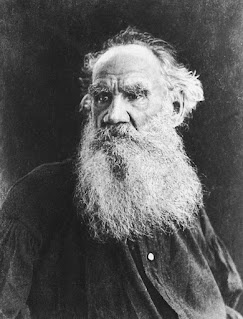
Analysis of "How Much Land Does a Man Need?" by Leo Tolstoy

Hello Readers…

Welcome to this blog! Here, you’ll find an analysis of the short story, key themes, and some background information about the author. This task is part of a thinking activity.


About the Author

Leo Tolstoy, born on September 9, 1828, in Yasnaya Polyana, Russia, was a celebrated novelist and philosopher, best known for his masterpieces War and Peace and Anna Karenina. His early works were semi-autobiographical, but his later years were marked by a deep spiritual transformation. Tolstoy embraced Christian anarchism, advocating for non-violence and a simple way of life, ideas that influenced figures like Mahatma Gandhi and Martin Luther King Jr. He was married to Sophia Behrs, and they had 13 children. However, his later life was fraught with ideological and personal conflicts. Tolstoy passed away on November 20, 1910, leaving behind a rich literary and philosophical legacy.


Major Works

Here are some of Tolstoy’s most significant works:

  1. War and Peace (1869) – A sweeping historical novel set against the backdrop of the Napoleonic Wars, interweaving the lives of several families.
  2. Anna Karenina (1877) – A profound exploration of love, family, and society, centered on the tragic affair between Anna Karenina and Count Vronsky.
  3. The Death of Ivan Ilyich (1886) – A novella that contemplates mortality and existential crises through the perspective of a high-ranking judge.
  4. Resurrection (1899) – A story that critiques social justice and explores themes of moral redemption.
  5. A Confession (1882) – An autobiographical account of Tolstoy’s spiritual crisis and philosophical transformation.
  6. Childhood, Boyhood, and Youth (1852–1856) – A trilogy that draws on Tolstoy’s own early life experiences.
  7. Hadji Murat (1912) – A novella inspired by the life of a Caucasian rebel leader, highlighting themes of betrayal and courage.
  8. The Kreutzer Sonata (1889) – A psychological novella delving into themes of jealousy, marriage, and human emotions.

Introduction to the Short Story

"How Much Land Does a Man Need?" is a short story written by Leo Tolstoy in 1886. It is not a poem but a compelling tale about human greed and the pursuit of happiness.

The story follows Pahom, a peasant who believes that if he had more land, he would have nothing to fear—not even the Devil. However, his insatiable desire for land drives him to continuously seek more, leading to his tragic downfall. Eventually, he strikes a deal that allows him to claim as much land as he can walk around in a single day. Overestimating himself, Pahom pushes his limits, but his ambition proves fatal.

Through this narrative, Tolstoy highlights the dangers of greed, ultimately revealing that, in the end, a person only requires enough land for their grave.


Analysis of the Story

Tolstoy’s "How Much Land Does a Man Need?" serves as a powerful cautionary tale about the consequences of unchecked greed.

The protagonist, Pahom, initially believes that owning more land will bring him security and contentment. At first, he is satisfied with what he acquires, but soon, he desires even more. This cycle of dissatisfaction continues as he hears about the Bashkirs, a group offering land at an incredibly low price. Their deal allows him to claim as much land as he can walk around in a day, which tempts Pahom to seize the opportunity.

On the fateful day, Pahom starts early, marking vast stretches of land as his own. As the day progresses, he keeps extending his route, driven by the lure of acquiring even more. However, as sunset approaches, he realizes he must return to his starting point in time. In his desperation, he rushes back, exhausting himself to the brink. Though he manages to reach the starting point, the effort proves too much, and he collapses and dies.

Ultimately, all the land Pahom truly needs is a small plot for his burial. Tolstoy’s story underscores the idea that an endless pursuit of material wealth is futile and can lead to one's downfall. The message is clear: genuine happiness does not come from accumulating possessions but from appreciating what one already has.


Major Themes

Tolstoy’s "How Much Land Does a Man Need?" explores several significant themes:

  1. Greed and Ambition – The story serves as a critique of human greed, showing how Pahom’s relentless pursuit of land leads to his tragic demise. Tolstoy warns against allowing ambition to cloud judgment.
  2. The Futility of Materialism – Pahom’s constant dissatisfaction illustrates the idea that material possessions alone cannot bring true happiness or fulfillment.
  3. Contentment and Simplicity – The story contrasts Pahom’s endless desires with the idea that real joy comes from appreciating and being satisfied with what one has.
  4. The Inevitability of Death – No matter how much wealth or land one accumulates, death is inevitable. In the end, Pahom only needs a small piece of land for his grave, highlighting the transient nature of life.
  5. Moral and Ethical Lessons – The narrative serves as a moral fable, emphasizing the dangers of succumbing to greed and the importance of ethical behavior.
  6. Human Nature and the Human Condition – Tolstoy reflects on the universal tendency of humans to always want more, challenging readers to consider the true sources of happiness.

These themes collectively convey Tolstoy’s philosophical perspectives, urging readers to rethink their values and priorities.


Conclusion

In conclusion, "How Much Land Does a Man Need?" is a thought-provoking story that highlights the dangers of greed and the illusion of material wealth. Through Pahom’s relentless pursuit and eventual downfall, Tolstoy teaches that true happiness does not come from owning more but from appreciating what we already have. The story serves as a reminder that material possessions are temporary, and in the end, we only need enough to meet our basic needs.


Thank you for reading!


Literary Theory and Criticism

  Literary Theory and Criticism – Introduction Literary Theory and Criticism are central to the study of literature because they help us und...